Corona Del Mar
- Client Corona del Mar High School
- Date June 23, 2008
I throw myself down among the tall grass by the stream as Ilie close to the earth.

The logo I crafted for the Corona del Mar High School track and field teams aimed to capture the essence of speed and motion, embodying the team’s dedication to swift progress. It graced all their apparel, symbolizing their commitment to excellence as they raced towards their goals
I led the branding efforts for Inlet Square Mall in California, developing designs for the logo, brochure, investment folder, newsletter, and flyers. Each element was carefully crafted to showcase the mall’s distinct identity, drawing in visitors and investors with compelling visuals and consistent branding across all channels.
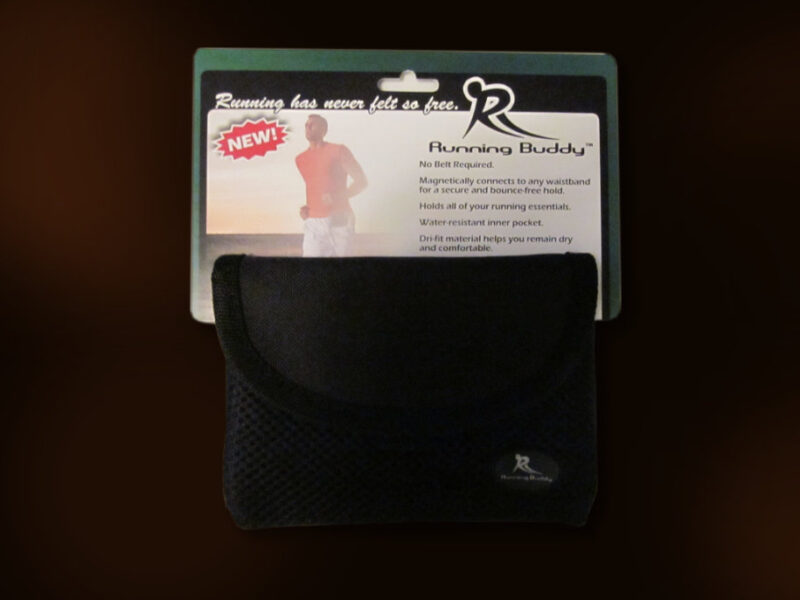
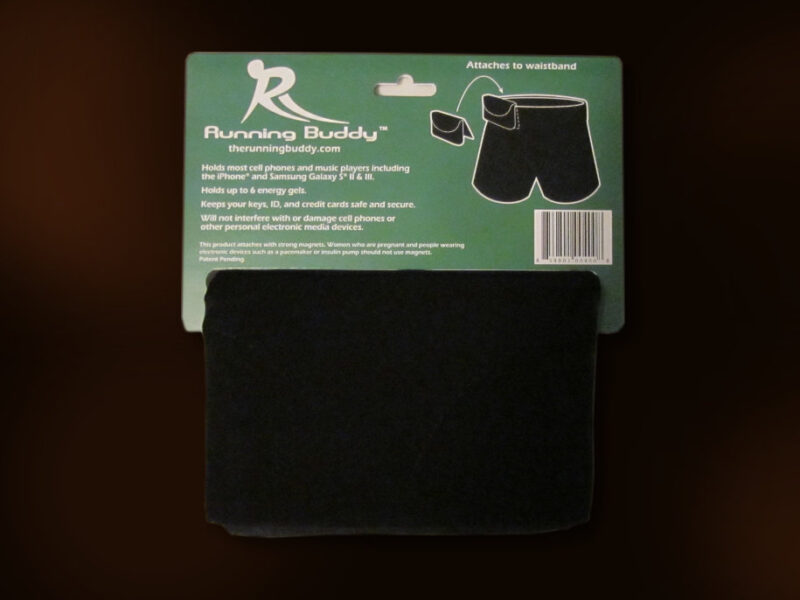
I conceptualized and brought to life the logo and package design for Running Buddy, a standout fitness product that has captivated audiences and earned a coveted spot on The Home Shopping Network. With a keen eye for detail and a deep understanding of brand identity, I crafted visuals that perfectly encapsulate the spirit of athleticism and innovation behind the product. The logo and package design not only enhance the product’s appeal but also contribute to its success by effectively communicating its value to consumers.
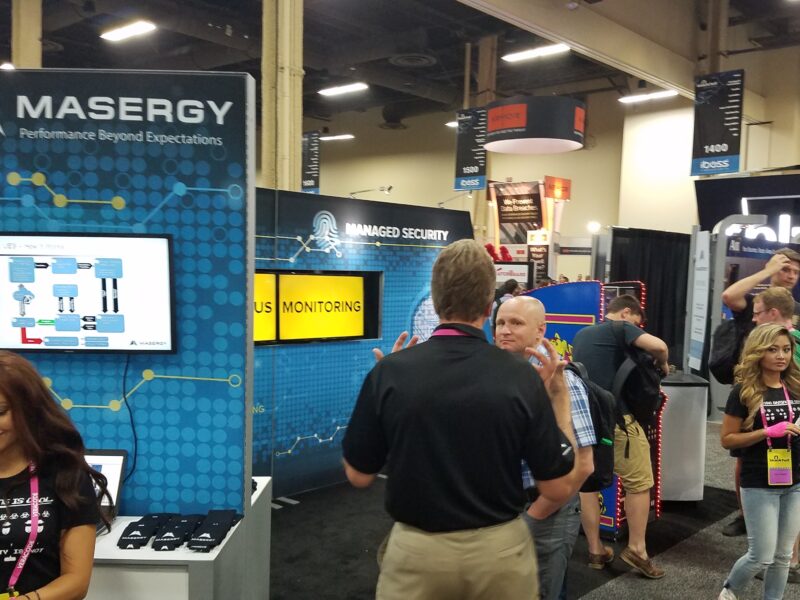
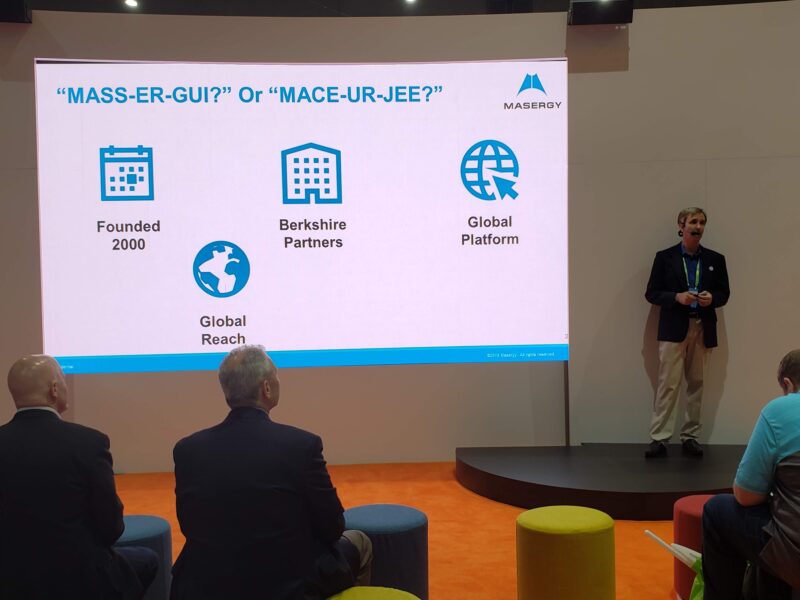
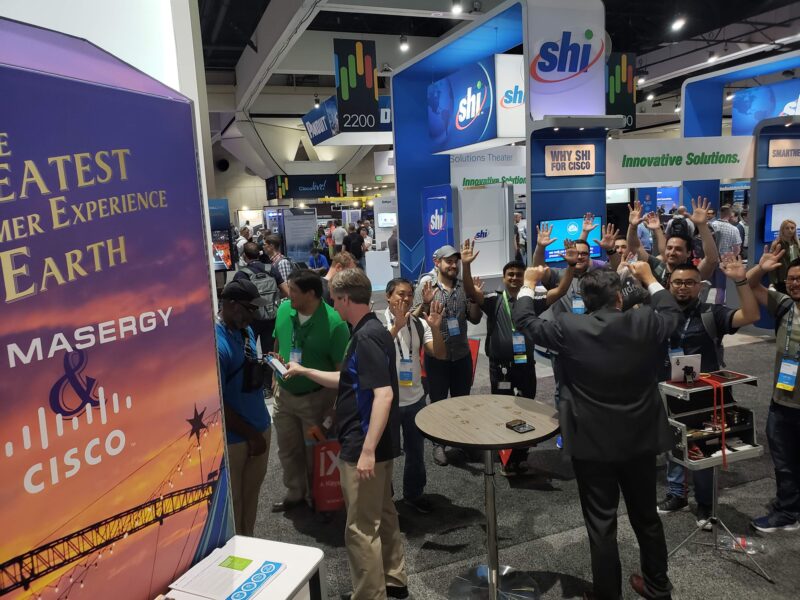
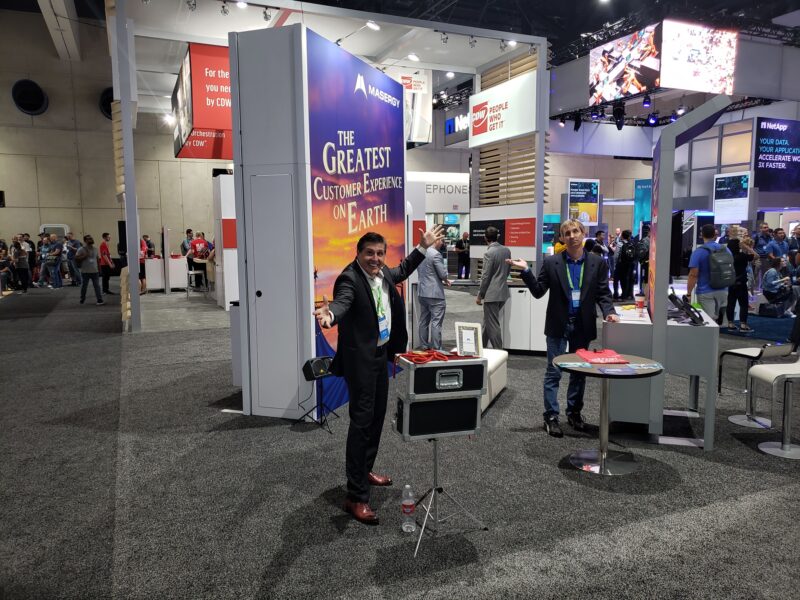
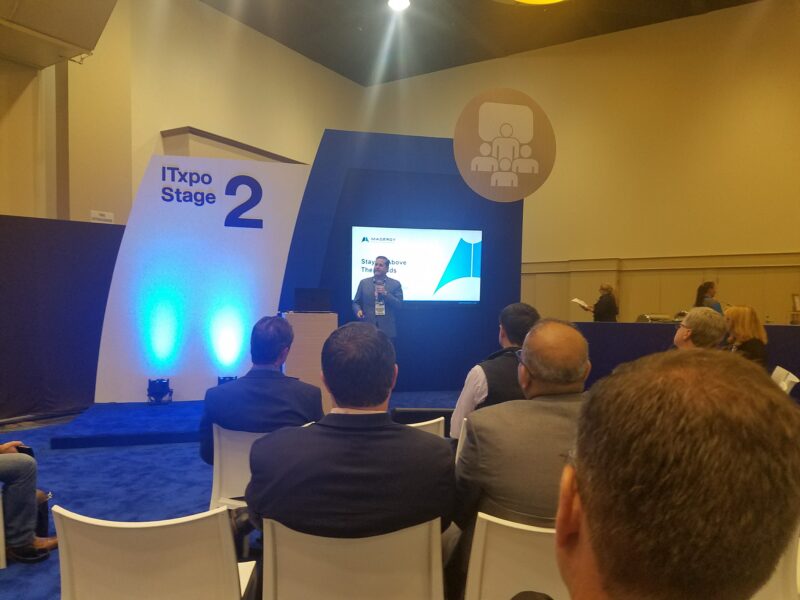
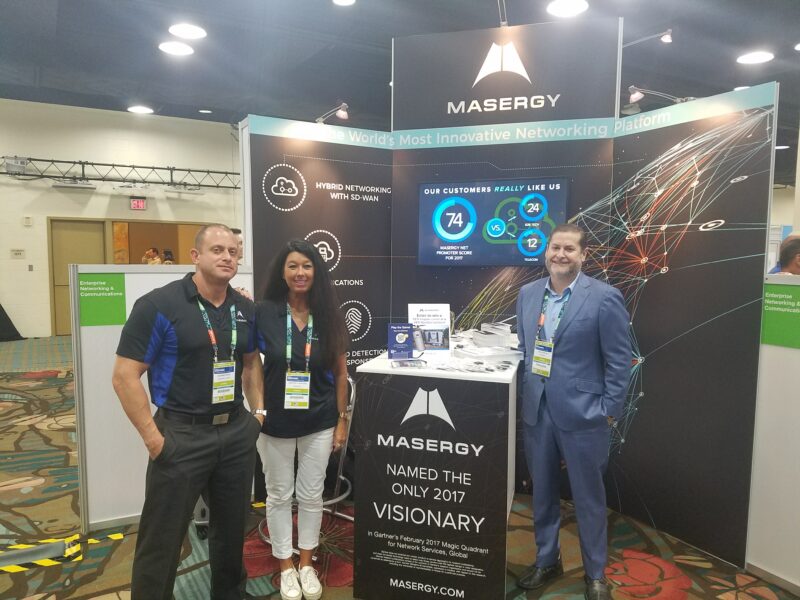
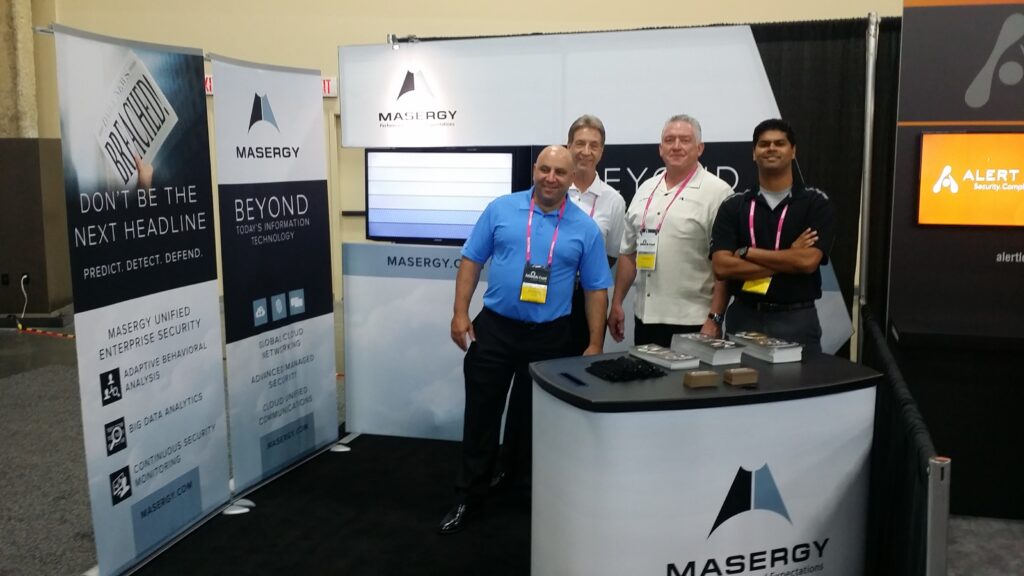
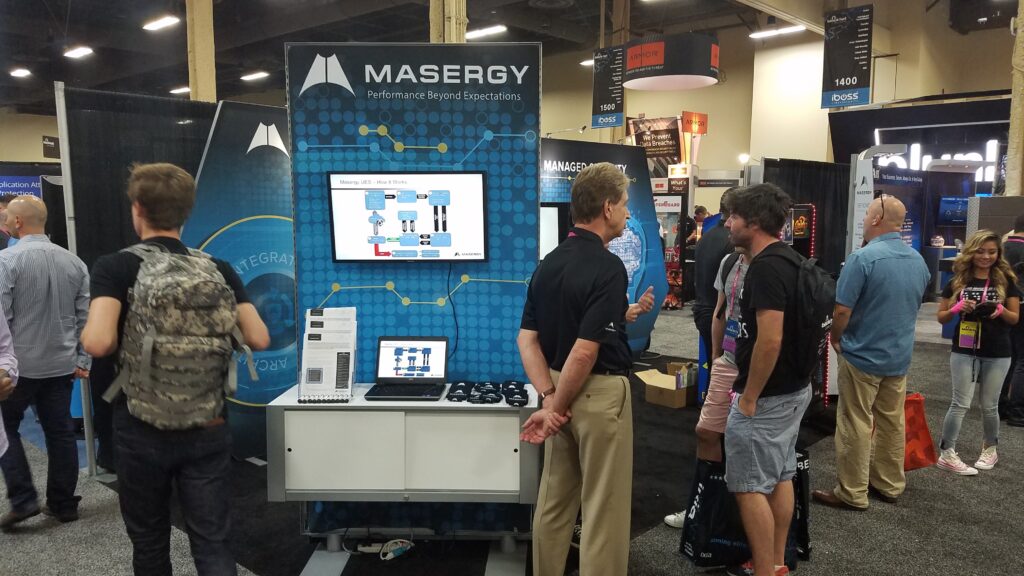
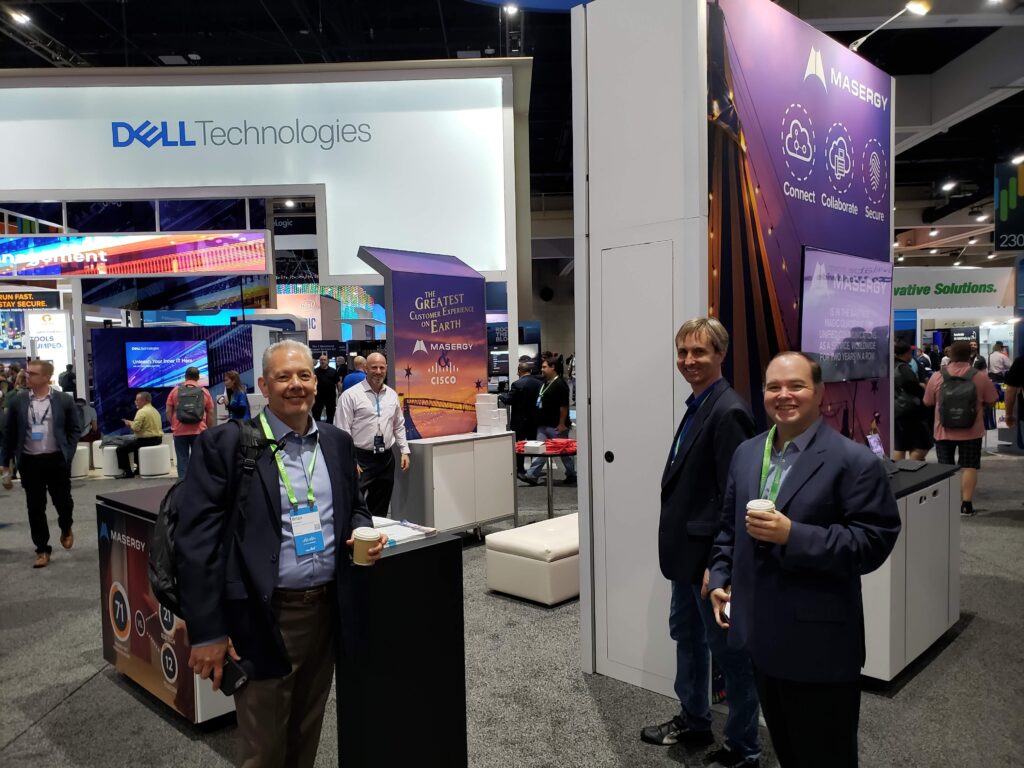
At Masergy, I spearheaded the coordination of both industry events and internal corporate events, including some of the largest network communications and cybersecurity gatherings like Enterprise Connect, ITEXPO, and Black Hat, which were vital for networking and knowledge sharing within the sector. My responsibilities encompassed meticulous budgeting, innovative booth design, and thorough post-event analysis to guarantee a positive return on investment. These events served as dynamic platforms for exchanging the latest trends and best practices, enabling us to stay ahead in the field. Through careful planning and execution, we facilitated meaningful connections, discovered new markets, and formed strategic partnerships, significantly contributing to business development and the broader industry evolution.

In addition to event planning, I was deeply involved in negotiating with vendors to secure favorable terms that aligned with our budgetary goals without compromising on quality. This included everything from sourcing promotional materials to leveraging cutting-edge technology for booth displays. By cultivating strong, collaborative relationships with vendors, I ensured that every aspect of the event ran smoothly and that we achieved the best value for our investments. These negotiations were not only critical for cost savings but also enhanced the overall impact of the event, helping to position Masergy prominently within a competitive industry.

Furthermore, I led the hiring and management of staff, working closely with team members to ensure the seamless execution of every event. I collaborated with salespeople and marketers to develop content that would engage attendees and highlight Masergy’s unique offerings, strengthening our position as an industry leader. Beyond the events themselves, I attended competitor showcases and other key industry events to conduct market research, identify emerging trends, and track competitor strategies. This hands-on approach to research helped inform our future initiatives and ensured that we remained agile and responsive to shifts in the market, maintaining our competitive edge.

I delved into the captivating world of tintype wetplate photography to capture striking portrait images. Drawing inspiration from the vintage aesthetic and meticulous process of this traditional technique, I embarked on a journey to create timeless portraits with a unique and nostalgic charm. Through the careful orchestration of chemicals and exposure, each tintype portrait became a one-of-a-kind masterpiece, imbued with a sense of history and authenticity that resonates with viewers on a profound level.
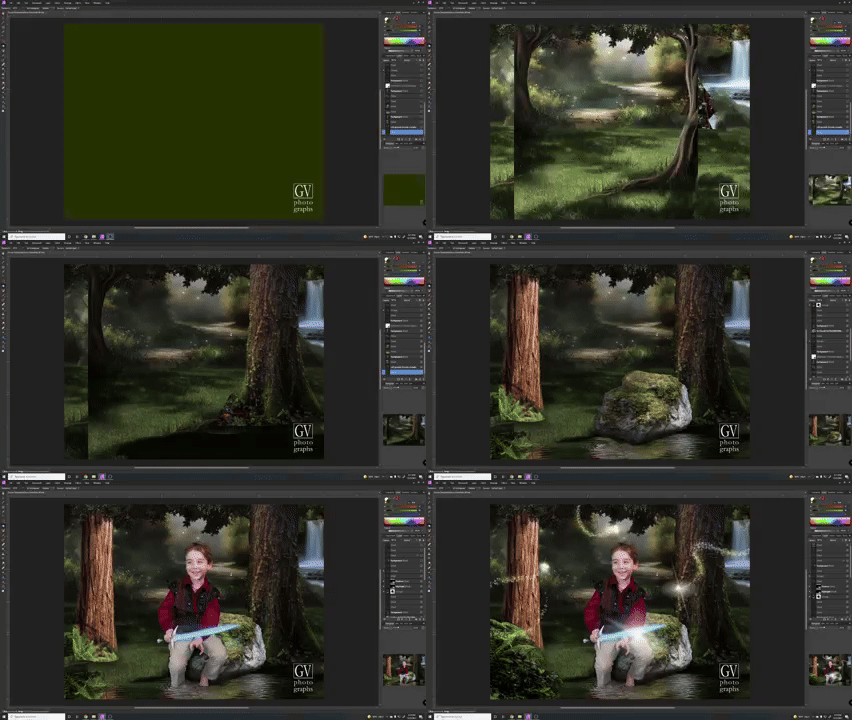
I utilized Affinity Photo to elevate a fantasy photograph to new heights, employing advanced techniques such as layering and compositing. Through the strategic integration of multiple layers, I seamlessly blended elements to create a mesmerizing visual narrative. Affinity Photo’s intuitive tools empowered me to manipulate light, texture, and color with precision, resulting in a captivating composition that transports viewers to a realm of enchantment and wonder.
The training provided by universities in order to prepare people to work in various sectors of the economy or areas of culture.
Higher education is tertiary education leading to award of an academic degree. Higher education, also called post-secondary education.
Secondary education or post-primary education covers two phases on the International Standard Classification of Education scale.
Google’s hiring process is an important part of our culture. Googlers care deeply about their teams and the people who make them up.
A popular destination with a growing number of highly qualified homegrown graduates, it's true that securing a role in Malaysia isn't easy.
The India economy has grown strongly over recent years, having transformed itself from a producer and innovation-based economy.
The training provided by universities in order to prepare people to work in various sectors of the economy or areas of culture.
Higher education is tertiary education leading to award of an academic degree. Higher education, also called post-secondary education.
Secondary education or post-primary education covers two phases on the International Standard Classification of Education scale.
Google’s hiring process is an important part of our culture. Googlers care deeply about their teams and the people who make them up.
A popular destination with a growing number of highly qualified homegrown graduates, it's true that securing a role in Malaysia isn't easy.
The India economy has grown strongly over recent years, having transformed itself from a producer and innovation-based economy.
The training provided by universities in order to prepare people to work in various sectors of the economy or areas of culture.
Higher education is tertiary education leading to award of an academic degree. Higher education, also called post-secondary education.
Secondary education or post-primary education covers two phases on the International Standard Classification of Education scale.
Google’s hiring process is an important part of our culture. Googlers care deeply about their teams and the people who make them up.
A popular destination with a growing number of highly qualified homegrown graduates, it's true that securing a role in Malaysia isn't easy.
The India economy has grown strongly over recent years, having transformed itself from a producer and innovation-based economy.
Maecenas finibus nec sem ut imperdiet. Ut tincidunt est ac dolor aliquam sodales. Phasellus sed mauris hendrerit, laoreet sem in, lobortis mauris hendrerit ante. Ut tincidunt est ac dolor aliquam sodales phasellus smauris
All the Lorem Ipsum generators on the Internet tend to repeat predefined chunks as necessary
1 Page with Elementor
Design Customization
Responsive Design
Content Upload
Design Customization
2 Plugins/Extensions
Multipage Elementor
Design Figma
MAintaine Design
Content Upload
Design With XD
8 Plugins/Extensions
All the Lorem Ipsum generators on the Internet tend to repeat predefined chunks as necessary
1 Page with Elementor
Design Customization
Responsive Design
Content Upload
Design Customization
2 Plugins/Extensions
Multipage Elementor
Design Figma
MAintaine Design
Content Upload
Design With XD
8 Plugins/Extensions
All the Lorem Ipsum generators on the Internet tend to repeat predefined chunks as necessary
1 Page with Elementor
Design Customization
Responsive Design
Content Upload
Design Customization
2 Plugins/Extensions
Multipage Elementor
Design Figma
MAintaine Design
Content Upload
Design With XD
8 Plugins/Extensions
There’s a special kind of obsession that comes with building your own R2-D2. If you’ve ever fallen down the rabbit hole of the Home Depot R2-D2 builder community, you know exactly what I mean. What started as a personal project quickly revealed a real gap in the market — and AstroCore Depot was born.
AstroCore Depot (astrocoredepot.com) is my e-commerce venture selling purpose-built control systems and accessories for Home Depot R2-D2 builders. The flagship products are the AstroCore Standard and AstroCore Pro control boards — engineered from the ground up by an actual R2 builder, for R2 builders.
These aren’t generic electronics kits. They’re tightly designed systems that handle sound playback, head animation, personality modes, RC compatibility, and a growing accessory ecosystem. The Pro board adds USB reprogramming, CH4 support, and enhanced recovery features for builders who want to push their droid further. Every board ships ready to run.
Beyond the boards, the product line has expanded to include a Fully Wired Component Board, a Large Data Port Upgrade, Body and Dome Internal Support Rings, a Center Foot Omniwheel Mount, and a Motion Sensor Conversion Kit — currently sitting at five-plus accessories and growing.
AstroCore Depot launched on Etsy and has steadily grown to average around $3,000 in monthly sales — all organic, driven entirely by community word-of-mouth and the quality of the products themselves. This isn’t a side project collecting dust; it’s a legitimate small business serving a dedicated niche.
The builder community is passionate, technical, and loyal. When they find a product that works and a seller who actually supports them through the process, they come back — and they tell their friends.
The customer reviews have been the most rewarding part of this journey. Here’s a sample of what verified buyers have said:
“Just awesome. Great product and even better service. He really took the time to make sure I was up and running!” — Jason, Verified Buyer
“I could not have done what I wanted to with my R2 without Gerald and AstroCore Depot! Stop reading reviews and treat yourself!” — Larry, Verified Buyer
“What an amazing product and tech support provider. He spent countless hours messaging back and forth with photos and videos on what to do next… FIVE STARS are just not enough for my review.” — Verified Buyer
“Well worth the money and a great easy way to bring your R2 to life!” — Robert, Verified Buyer
That last one — the buyer who said five stars weren’t enough — spent an entire evening troubleshooting with me, and I even wrote a custom program to diagnose a dead motion sensor on his build. That’s the level of support I’m committed to. It’s not just about selling a board; it’s about making sure every builder actually succeeds with their droid.
The product roadmap is exciting. New designs are in development, with a focus on expanding the accessory ecosystem and giving builders even more ways to bring their R2 to life. While I’m keeping the specifics close to the chest for now, expect new hardware that takes the personality and interactivity of these builds to the next level.
The current firmware is at v1.8, and software updates are distributed directly through the site — another way I’m trying to make the experience feel supported long after purchase.
AstroCore Depot is, at its core, a product of everything I believe about marketing and brand building: start with a real community need, build something genuinely useful, support your customers personally, and let the product quality do the talking. The fact that it’s grown to a consistent monthly revenue stream without a dollar spent on paid advertising says more than any campaign could.
If you’re an R2 builder — or you’re thinking about starting a build — head over to astrocoredepot.com and see what’s available. And if you’re a marketer looking to learn how community-driven e-commerce works, this is a pretty good case study.
AstroCore Depot products are available on Etsy. Setup guides, software downloads, and demo videos are available at astrocoredepot.com.

It’s no secret that I’m a proponent of AI as a useful tool for creatives. But, as with any new tool, there are huge downsides that accompany the limitless upside potential. This is especially true in these early days of AI adoption as individuals and companies struggle to learn how best to implement these tools into their workflows. One of the most significant downsides we’re seeing right now involves AI detectors mistakenly flagging human-written articles as being AI-generated, which is causing real harm to writers’ careers.
Consider one of the major factors leading to some of these false flags: the use of Grammarly, a widely-used tool for fixing punctuation and grammar mistakes. Grammarly helps make writing clearer and free of errors, which is essential for professional work. However, this polished writing can sometimes look like it was created by AI, causing AI detectors to flag it. So, writers who try to improve their work may end up having their work flagged as being created using AI. This issue is especially frustrating because many companies actually require their employees to use Grammarly to clean up their work.
“AI trains on millions of human-written articles. AI gets really good at imitating human writing. AI thinks everything is AI.”
David Puddy the 2nd – Gizmodo Commenter
AI detectors are not very reliable, which is a big problem given what’s at stake. Bars Juhasz, speaking with Gizmodo, pointed out these concerns: “We have a lot of concerns around the reliability of the training process these AI detectors use. These guys are claiming they have 99% accuracy, and based on our work, I think that’s impossible. But even if it’s true, that still means for every 100 people there’s going to be one false flag. We’re talking about people’s livelihoods and their reputations.”
For writers, being wrongly accused of using AI can have serious consequences. Many writers depend on their reputation for original work to get jobs and keep steady work. If their work gets flagged, they can lose opportunities, damage their reputations, and even lose their jobs. Freelance writers and those working on strict contracts are especially at risk because clients may decide to end agreements rather than risk publishing something that might be AI-generated.
On top of the financial hit, these false flags also take a toll on writers’ mental health. Writers put a lot of time, creativity, and effort into their work. Being wrongly accused of using AI undermines their skills and dedication, sometimes tarnishing a career that took years to build. This can lead to lower motivation and increased stress, which hurts their productivity and well-being.
AI is here to stay, and it should be seen as a helpful tool, not something to be feared. Some of the biggest companies in the world also recognize the potential of AI and are making significant investments to integrate AI into their products. Microsoft and Google heavily invest in AI technologies to enhance their software and services. Similarly, Adobe has introduced AI tools into its Creative Suite to help artists be more effective, allowing for enhanced creativity and productivity. It seems hypocritical to provide and encourage AI tools for graphic artists, but make the use of AI tools a taboo for those whose creative interests tend to be more lexical. Instead of punishing employees based on dubious results from AI detectors, companies should help their employees use AI responsibly. By providing training and clear guidelines on ethical AI use, companies can empower writers to improve their work without fear of being made a pariah.
Boiled down to its core, the basic idea of AI being able to detect other AI-generated content seems questionable. As one Gizmodo commenter put it, “AI trains on millions of human-written articles. AI gets really good at imitating human writing. AI thinks everything is AI.” This shows the flaws in current AI detection methods.
There may never be an AI detection tool that’s infallible, and employers should question whether using these tools to make crucial employment decisions is really the best path forward. Instead it should be the quality of the work being produced that should be examined, regardless of the tools being used to create it.
Writers need to stand up for themselves and each other. The writing community needs to raise awareness about this issue and push for improvements in AI detectors. By working together with tech companies and industry groups, we can create are more effective environment that embraces AI as a tool that makes all of our lives easier.
After all, AI really can be a great tool for writers, helping them enhance their work. But the risk of false accusations by AI detectors is a serious threat. By recognizing this problem and working on better solutions, we can ensure that human writers are appreciated and valued for their contributions.
In the wake of a significant financial loss, the Washington Post is making headlines for a bold new strategy: expanding the use of artificial intelligence (AI) in its newsroom. After reporting a $77 million loss, the media giant is turning to AI in hopes of streamlining operations and reducing costs. However, this move raises critical questions about the future of journalism and the potential consequences of replacing human writers with machines.
The Washington Post’s Chief Technology Officer, in a recent statement, encapsulated the organization’s new direction: “The way I see us operate is we have A.I. everywhere. We have A.I. in our newsroom; we have A.I. with our consumers; we have A.I. in the business.” This comprehensive integration of AI reflects a broader trend in the industry, where technology is increasingly being leveraged to enhance efficiency and productivity.
“The way I see us operate is we have A.I. everywhere. We have A.I. in our newsroom; we have A.I. with our consumers; we have A.I. in the business.”
Vineet Khosla, Washington Post CTO
The strategy seems innovative on the surface. AI can assist in various aspects of news production, from generating quick updates and automating routine tasks to analyzing vast amounts of data for investigative pieces. Yet, there is a fine line between using AI as a tool to aid human journalists and allowing it to replace them.
The primary concern with the Washington Post’s approach is the potential for AI to supplant human creativity, intuition, and critical thinking—qualities that are the bedrock of quality journalism. While AI can process information and generate text at an unprecedented speed, it lacks the nuanced understanding and ethical considerations that human writers bring to their work. The risk here is that news becomes more about quantity than quality, leading to a decline in the depth and integrity of reporting.
The move to replace human writers with AI can undermine the trust between the publication and its readership. Readers expect and deserve well-researched, thoughtfully crafted stories that reflect the complexities of the world around them. A shift towards AI-generated content could erode this trust, as the subtle biases and errors inherent in AI algorithms become more apparent.
In addition to these concerns, expanding AI might not help the Washington Post’s credibility. In 2022, 48 percent of respondents believed the publication to be very or somewhat credible. This level of trust is significant in a media landscape where credibility is constantly scrutinized. Introducing AI-generated content could jeopardize this credibility, as readers may question the authenticity and reliability of AI-driven stories. The perception that news is produced by machines rather than experienced journalists could lead to skepticism and diminished trust.
The impact on newsroom staff cannot be ignored. Journalists facing the threat of redundancy may find their morale and motivation plummeting, which can further degrade the quality of the content being produced. The human element of journalism—built on passion, curiosity, and a commitment to truth—is irreplaceable. AI should be seen as a supportive tool, enhancing the capabilities of journalists rather than rendering them obsolete.
The Washington Post’s financial struggles are indeed a pressing issue, but turning to AI as a panacea might create more problems than it solves. Instead of viewing AI as a replacement, it should be integrated in a way that supports and augments the work of human journalists. This balanced approach can ensure that the publication continues to produce high-quality journalism while also benefiting from the efficiencies that AI can offer.
The Washington Post’s decision to expand AI in its newsroom amidst significant financial losses is a gamble. While AI can undoubtedly bring benefits, it should be implemented as a complement to human effort, not a substitute. The future of journalism depends on maintaining the delicate balance between leveraging technology and preserving the irreplaceable qualities that human journalists contribute to their craft. As the industry evolves, this balance will be crucial in ensuring that journalism continues to serve the public good with integrity and depth.
Chief Operating Officer I am available for freelance work. Connect with me via and call in to my account.
Phone: +01234567890 Email: admin@example.com